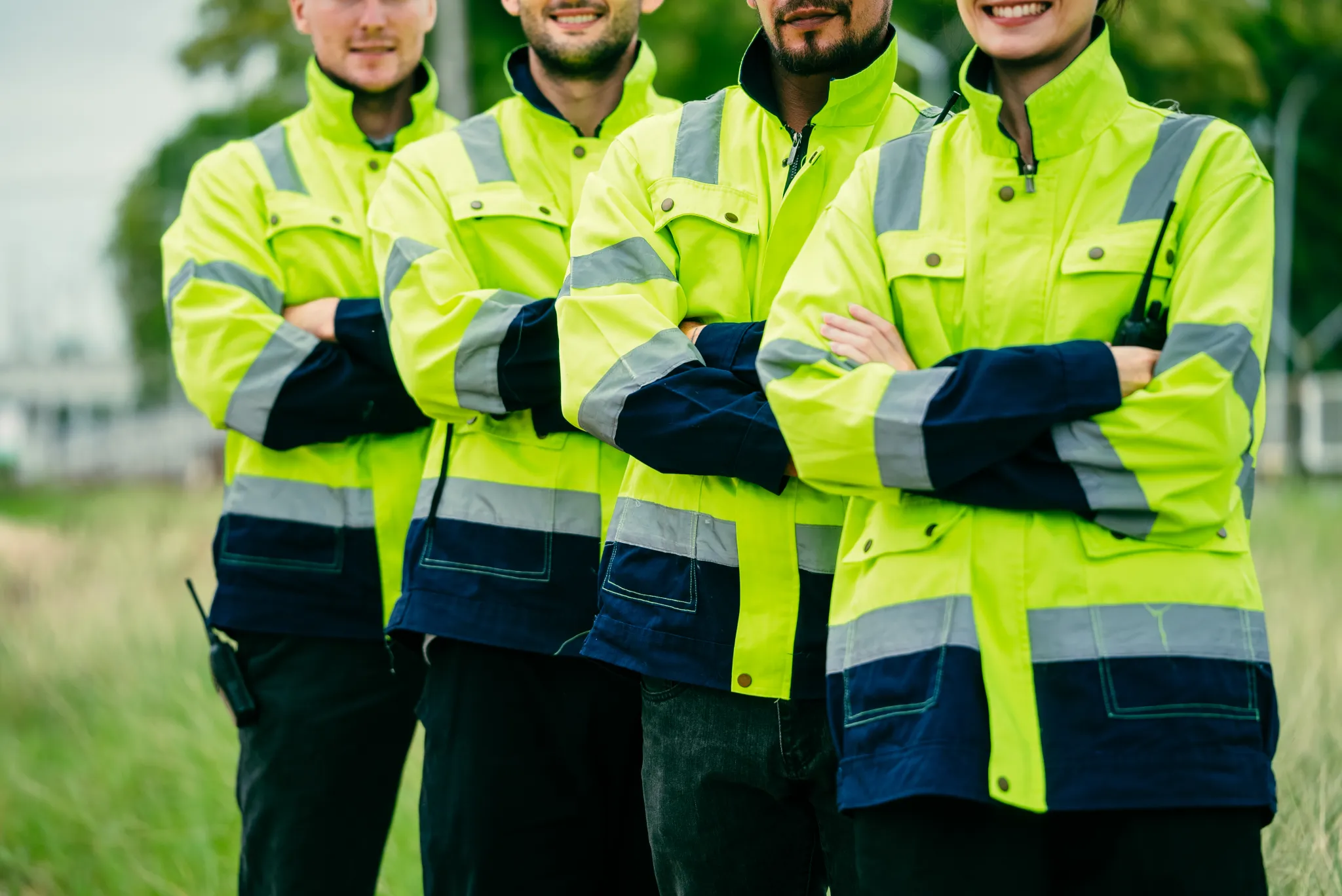
Introduction
Most people rarely think about what separates a garment that lasts for years from one that loses its shape after only a few months. Behind many of the durability standards consumers expect today lies an industry that cannot afford compromise: workwear.
Unlike seasonal fashion, workwear is designed to perform under constant pressure. Employees rely on uniforms every day, often in demanding environments where comfort, durability, and consistency are essential. The lessons learned from producing these garments have quietly influenced broader apparel manufacturing, raising expectations for quality across the industry.
The Hidden Demands Behind Every Uniform
Workwear serves a different purpose than most consumer clothing. It is expected to withstand daily wear, frequent washing, and long working hours without sacrificing appearance or comfort.
For businesses, uniforms represent more than clothing. They reflect professionalism, reinforce brand identity, and help employees perform confidently in their roles. As a result, even small quality issues become highly visible when multiplied across an entire workforce.
This level of scrutiny creates a manufacturing environment where reliability is not optional. Every decision, from material selection to construction techniques, must support long-term performance.
Why Durability Starts Before Production
The foundation of any successful garment begins with fabric selection. Before a single piece is cut or sewn, materials must be evaluated for strength, shrinkage, color retention, and overall durability.
Workwear programs often require fabrics to undergo extensive testing to ensure they can withstand repeated use while maintaining a professional appearance. This process helps identify potential weaknesses early and reduces the risk of quality issues after production.
By investing more effort upfront, manufacturers can create garments that continue performing well throughout their intended lifespan, ultimately delivering greater value to both businesses and wearers.
Creating Flexibility for Changing Demand
Producing a few high-quality garments is one challenge. Producing thousands with identical specifications is another entirely.
Large uniform programs require exceptional consistency across every order. Employees expect the same fit, color, and quality regardless of when or where a garment is produced. Achieving this level of consistency requires detailed production standards, strict quality control processes, and close coordination throughout the supply chain.
The ability to maintain uniformity at scale is one of the reasons workwear manufacturing often sets a benchmark for operational excellence within the apparel industry.
Balancing Function and Comfort
Performance alone is not enough. Employees wear uniforms for long periods, making comfort a critical part of the overall experience.
Modern workwear design focuses on creating garments that support movement while maintaining a professional appearance. Fabric flexibility, breathability, weight, and fit all contribute to how a garment performs throughout the day.
The challenge lies in balancing these practical requirements with durability and visual appeal. The best workwear solutions successfully combine all three, creating products that employees genuinely want to wear.
How Workwear Continues to Influence Fashion
Many features now associated with premium apparel have roots in functional workwear design. Reinforced construction, durable materials, ergonomic fits, and performance-focused fabrics all originated from the need to solve practical challenges.
As consumers increasingly prioritize quality and longevity, the influence of workwear principles has become even more apparent. Brands across the fashion industry are adopting techniques once reserved for industrial uniforms and professional garments.
What began as a necessity for workers has evolved into a broader standard for better clothing.
Conclusion
Workwear may not always receive the same attention as fashion trends, but its impact on the apparel industry is undeniable. The demands placed on uniforms have driven innovations in durability, quality control, fit, and performance that benefit every type of garment.
By understanding the standards required for workwear, we gain a clearer appreciation for what makes great clothing truly last. In many ways, the future of better fashion continues to be shaped by the practical lessons learned from the world of workwear.